
Level Gauge Valves
How to Install Level Gauge Valves: A Step-by-Step Guide
Rubén Silva·October 29, 2024
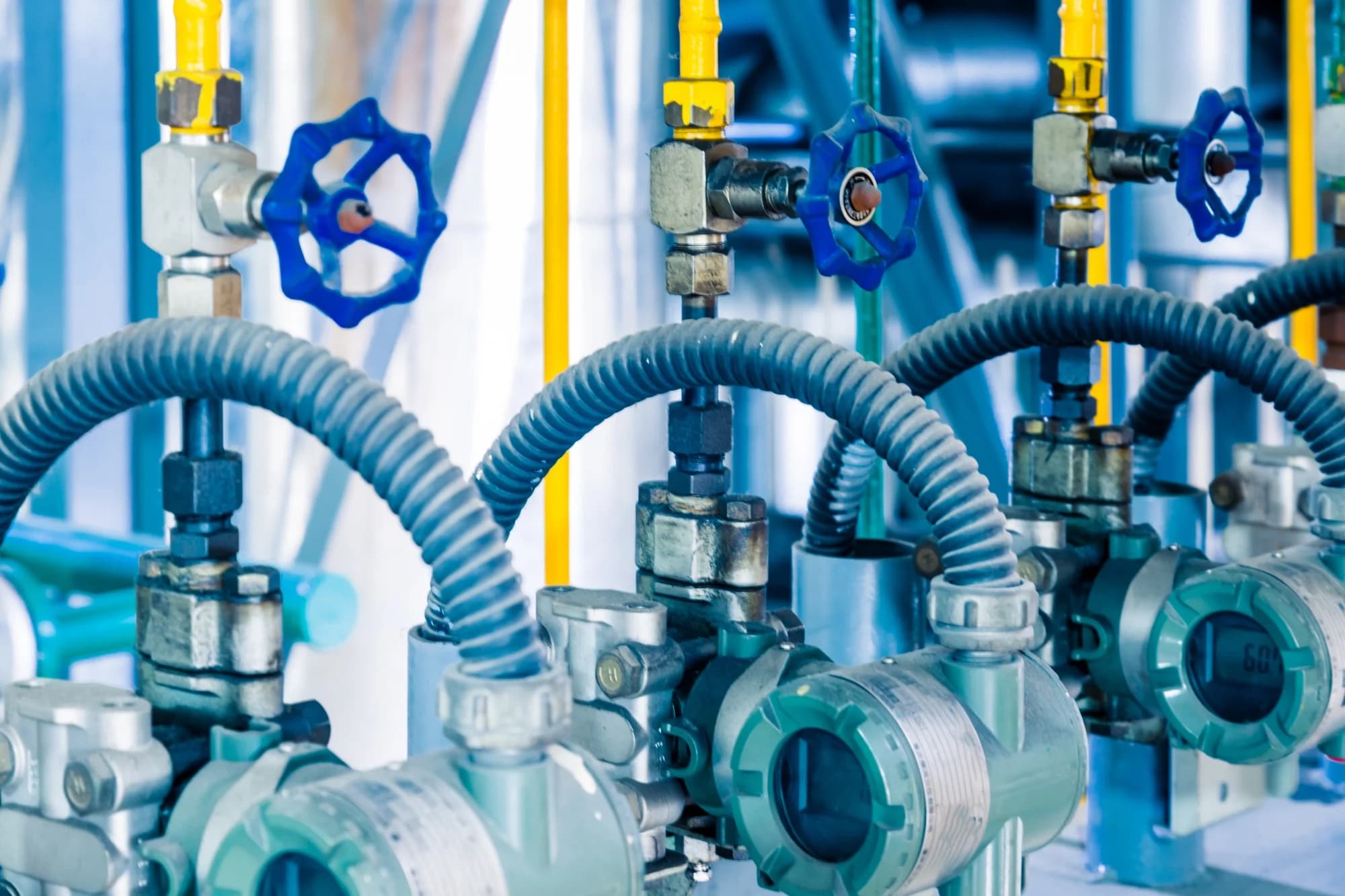
Definition of Level Gauge Valves
Level gauge valves are used together with Level Gauge Glass to provide a visual reading of liquid levels in tanks and boilers. This observation system ensures that operators can immediately detect any changes in fluid levels, which is essential for preventing operational issues and maintaining equipment safety. The installation of level gauge valves is a key step in maintaining accurate and safe fluid level monitoring in industrial applications.
Industrial Applications of Level Gauge Valves
In the industrial sector, level gauge valves are used in various applications, from fluid level monitoring in manufacturing processes to their use in high-pressure boilers and liquid storage systems in chemical and petrochemical plants. Now that you understand the importance and applications of level gauge valves, it's time to dive into the installation process.
Steps for Proper Installation of Level Gauge Valves
- Preparation
Inspect all components for damage, including the level gauge valves glass, seals, and fittings. Ensure that each part is in optimal condition and free from any visible cracks, warping, or other signs of wear that could affect installation and operation. Proper inspection at this stage helps prevent potential leaks or failures after installation.
Ensure all parts are clean and free of debris. Use a lint-free cloth and, if needed, a mild solvent compatible with stainless steel or glass, ensuring no residue is left behind.
- Installing the Top Fitting
Apply Teflon tape to pipe threads.
Install the top gauge fitting into the uppermost tapping, ensuring the glass outlet is at a 5 o'clock position (about 1/8 turn from its final, downward vertical position).
- Installing the Bottom Fitting
Install the bottom gauge fitting with a plug into the lower tapping, ensuring it is pointing directly upward. Make sure the top and bottom fittings are threaded into the tappings the same number of turns.
- Removing and Placing Packing Components
Remove the glass packing nut, friction washer (or packing gland and retaining ring), and glass packing from both fittings.
Place these components back onto the ends of the gauge glass, pushing the packings about an inch up the gauge glass.
- Inserting the Glass
Gently insert one end of the glass into the top fitting. Rotate the top fitting clockwise until vertically aligned with the bottom fitting, then insert the glass into the bottom fitting until it bottoms out on the shoulder inside the bottom fitting.
- Positioning the Glass
Raise the glass about 1/16" and slide the lower glass packing down until it contacts the lower fitting. Ensure the glass does not contact any metal.
- Securing the Packing
Slide the upper glass packing up as far as possible. Hand tighten both packing nuts, then tighten an additional 1/2 turn with a wrench. Tighten only enough to prevent leakage without over-tightening. Adjust slightly if any leakage occurs, checking for leakage after each turn.
Adhering to these steps for the proper installation of this type of valve ensures precise and safe fluid level monitoring across various industrial processes. For further information on level gauge valves or to explore additional products in our catalog, we invite you to visit our contact page, where our team is available to assist you in selecting the most suitable solutions for your applications.